CARE NOTES / 01What “fuller-looking” really means
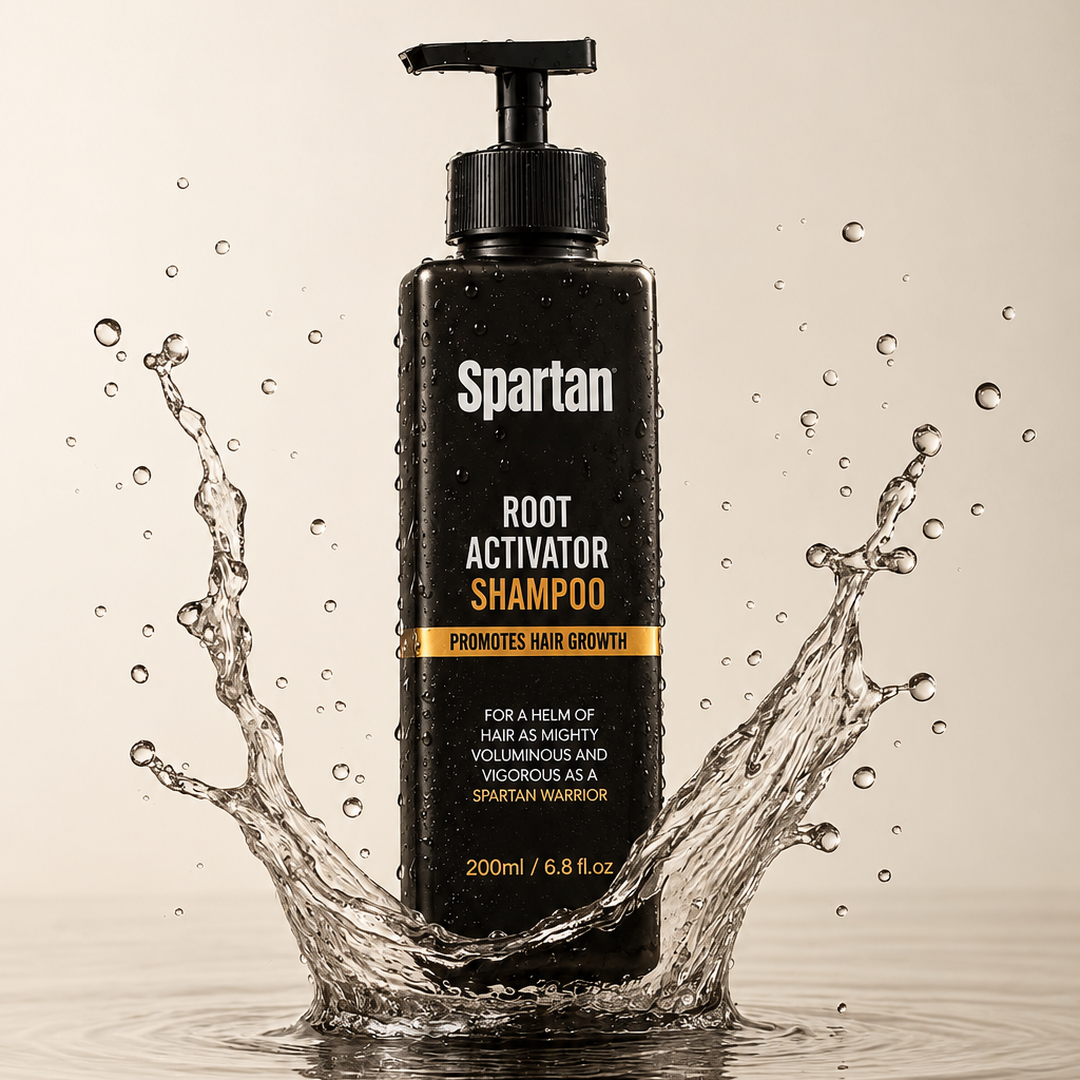
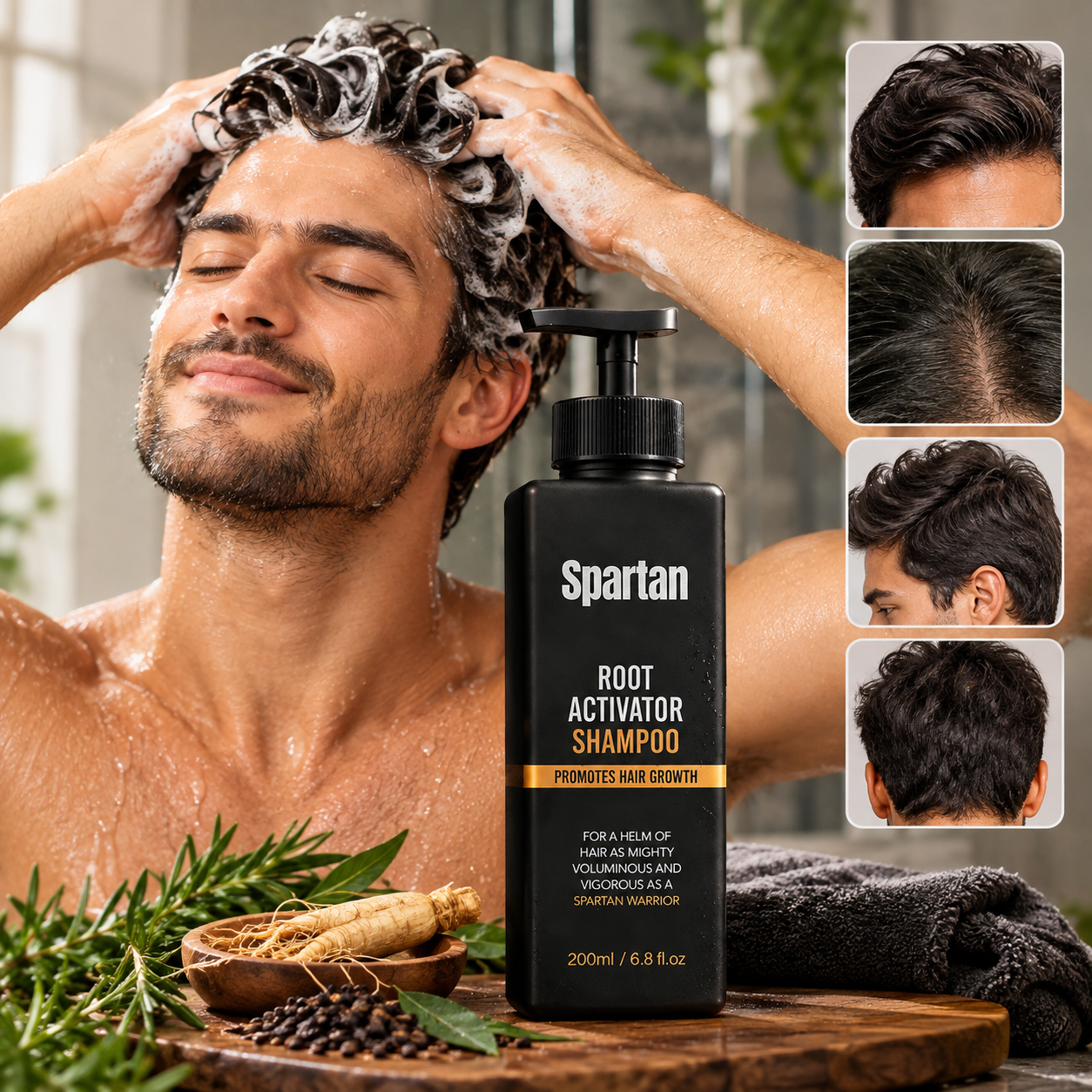
Hair can appear fuller for several reasons: cleaner roots, less heavy residue, a style that creates lift, and lengths that look well maintained. These cosmetic changes are different from increasing the number of hairs on your scalp. Spartan Root Activator Shampoo is presented here as part of a targeted care routine for thicker, fuller-looking hair, not as a medical treatment or a guaranteed solution for hair loss. Keeping that distinction clear helps you choose a product for the right reasons.
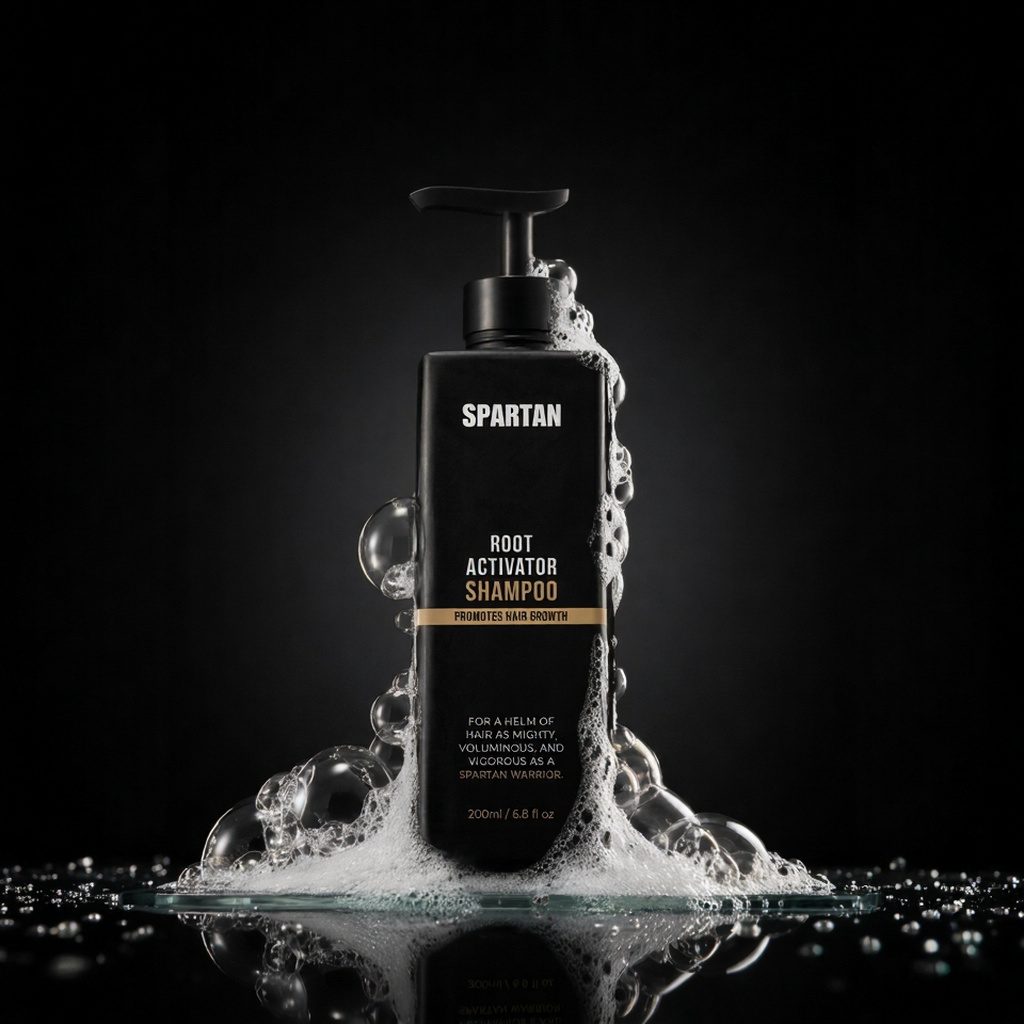
The product artwork includes a hair-growth statement. This page does not independently verify that statement, and the supplied images are not clinical evidence. Individual experiences can vary with hair type, scalp condition, washing frequency, and other products in your routine. If you are comparing options, look for a complete ingredient list, clear usage instructions, and product-specific evidence rather than relying solely on packaging language or a dramatic photograph.
CARE NOTES / 02Build a routine around your real life
Your hair-care routine should work with your day, not demand that you reorganize it. Someone who exercises frequently may need a different cleansing rhythm from someone with dry lengths who uses few styling products. Start with your existing habits and notice what feels balanced. A scalp that feels comfortable and hair that is easy to manage are more useful everyday signals than following a rigid schedule copied from someone else.
Introduce one new product at a time when possible. This makes it easier to understand how your hair responds and to identify the cause if discomfort appears. Keep the rest of your routine relatively stable during that introduction. You do not need an elaborate collection of products to care thoughtfully for your hair. Gentle cleansing, suitable conditioning, patient detangling, and sensible styling can form a practical foundation you can maintain over time.
CARE NOTES / 03Give your scalp a gentler kind of attention
Scalp care does not have to mean forceful massage, frequent exfoliation, or leaving products on longer than directed. Gentle fingertip contact during washing is usually a more sensible starting point than aggressive friction. Be mindful of tight hairstyles, repeated pulling, and heavy buildup from styling products. If your scalp feels persistently itchy, sore, inflamed, or flaky, do not assume that changing shampoo alone will address the underlying issue.
Unexpected shedding, patches of hair loss, or a noticeable change in density deserve professional advice. A qualified health professional can help distinguish ordinary variation from conditions that require assessment. Shampoo can be part of grooming, but it should not replace diagnosis or prescribed treatment. Avoid using a cosmetic product to postpone care for persistent symptoms, and remember that a naturally derived ingredient can still cause an unwanted reaction in some people.
CARE NOTES / 04Let your texture lead the way
Straight, wavy, curly, and tightly coiled hair can all require different approaches to cleansing and conditioning. Fine strands may feel weighed down by rich products, while coarse or textured lengths may need more attention to moisture and detangling. Color treatments and chemical processing can also change how hair behaves. Rather than expecting one method to suit every head of hair, adapt the supporting steps of your routine to your own texture and condition.
For a fuller-looking finish, think about how you handle the hair after washing as well as what you use in the shower. Avoid dragging a brush through wet tangles, minimize unnecessary high heat, and choose styling products with an appropriate level of hold and weight. A simple, repeatable routine can be more valuable than constantly switching products in search of an immediate transformation. Comfort and manageability are worthwhile outcomes in their own right.
CARE NOTES / 05Read the label before you begin
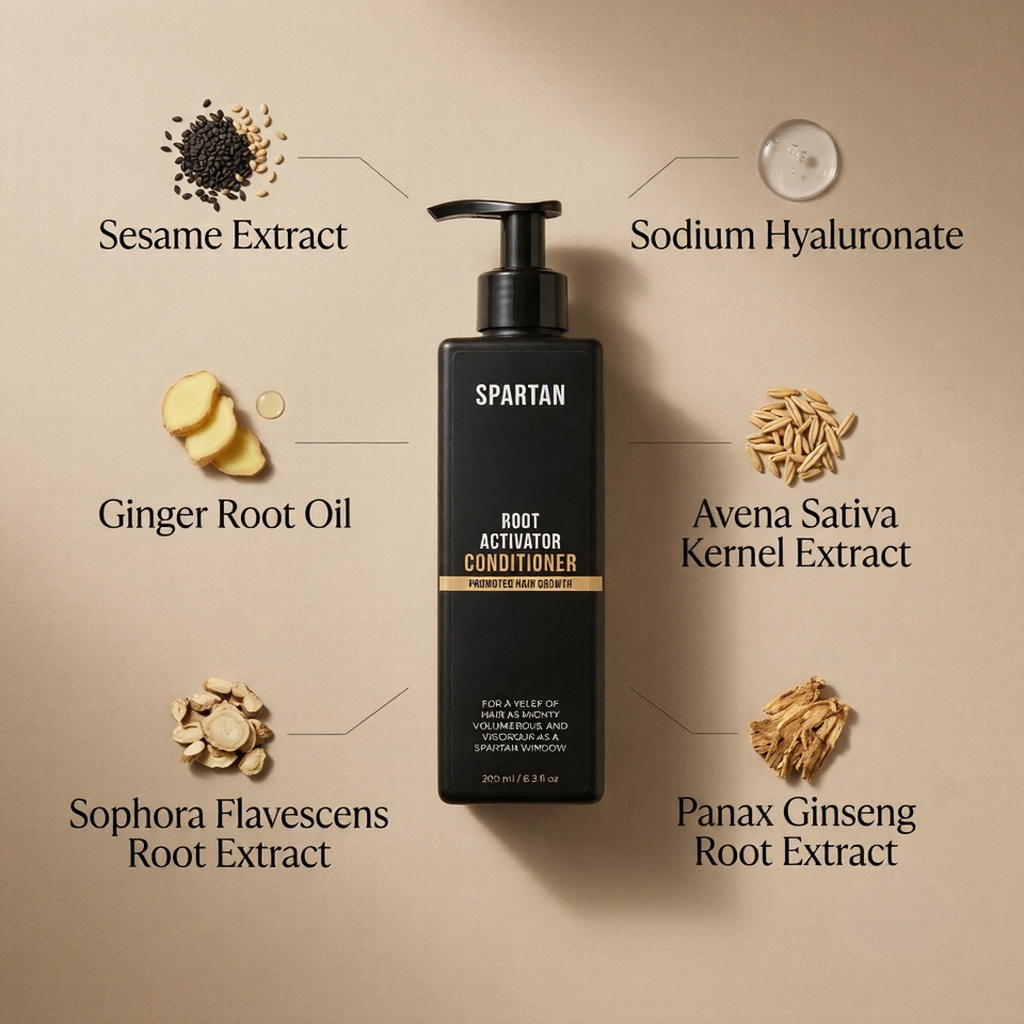
The supplied shampoo artwork identifies a 200 ml bottle and a pump format. Packaging, formulations, and directions can change, so the product you receive is the best source for current details. Before your first wash, check the usage instructions, warnings, and complete ingredient list. If you have allergies or a history of reactions, compare that list with your known triggers and seek professional guidance where appropriate rather than relying on a shortened marketing summary.
Store your shampoo as directed, close or secure the dispenser when traveling, and keep it out of reach of children. Avoid contact with the eyes and rinse with water if accidental contact occurs. Do not apply the product to irritated or broken skin unless the label specifically permits it. If burning, redness, or other irritation develops, discontinue use. Good product care includes knowing when a product is not the right fit for you.